Recognized by industry leaders:























Research Solutions for BioFuels







Biofuels and Co-Products: Feedstocks, Fuels, High-Value Byproducts, and Equipment
Complete Value Chain Coverage Including Ethanol, Biodiesel, Biogas, Solid Biofuels, Biochar, Glycerin, DDGS, and Bio-Oils - End-User Markets, Production Technologies, and Forecasts to 2031
Dedalus Consulting has produced the most comprehensive biofuels and co-products market intelligence available today. Breaking down the global market regionally, highlighting over 25 countries, this analysis covers the complete value chain from feedstocks through primary fuels to high-value co-products. Data is presented in value ($mm), volume (kg), and average selling price by both production and consumption.
Whether you're targeting primary biofuel markets or high-value co-products like biochar, glycerin, or distillers grains, this report provides the complete market intelligence you need. Understand production economics, feedstock competition, end-user demand, and competitive landscape across the entire value chain. No other report offers this level of integration between primary fuels and co-product markets.
On the consumption side, users will be able to research each end-user industry by fuel type and co-product application. Expanded coverage within the Ulysses™ platform includes additional end-user industry breakdowns, carbon intensity metrics, co-product revenue optimization analysis, and pivot table capabilities.
Data and analysis for equipment markets is available for the years 2024 to 2031. Energy consumption levels and carbon impact assessments are forecasted to 2040.
Revision Date: December 2025
Pages: 150+
Charts/Graphs: 125+
Years Covered: 2004-2024 Actual, 2025 Estimate, 2026-2040 Forecasts
Parametric Breakdowns: Year, Country, End-User Industry, Fuel Type, Feedstock Source, Generation Technology, Applications, Distribution Channels, Competitive Environment...
Companies Researched: 150+
Delivery Method: PDF or Web Viewer Depending on License
Scope of Coverage
The following categories present how the data was developed, organized and is presented. Breaking the data into specific categories is essential to analyze and draw meaningful insights. The breakdowns are designed to highlight key patterns and trends in the data, as well as to facilitate comparisons between different groups or segments.
Each section contains quantitative market data including market by consumption value (US$Millions), volume (UnitsMillions) and average selling price (US$/Unit). Data tables and visualizations include breakdowns by country, end-user industry & applications, production technologies, carbon intensity metrics, co-product revenue streams, distribution channels, feedstock types, and supplier sales & market share. Data is given for the years 2024-2031 by year with 2024 as the base year, 2025 as the estimate year, and 2031 as the forecast year.
Research Objectives
The primary objectives in this analysis are:
- To provide clients with the tools they need to accurately assess their market opportunities and potential in traditional biofuels, emerging carbon-negative technologies, and high-value co-product markets;
- To determine the size of the total market production and consumption by BioFuel types (including BioChar), co-products (Glycerin, DDGS, Bio-Oils), end-user industry, and feedstock by country;
- To analyze the integrated economics of biofuel production including primary fuel and co-product revenue optimization;
- To forecast future growth in each product and co-product by geographic and end-use market with attention to sustainability metrics and carbon impact;
- To assess the competitive environment within the market including supplier sales and market share by year; and
- To analyze integration with carbon capture, circular economy principles, and emerging regulatory frameworks across the full value chain.
Methodology & Sources
Dedalus Consulting employs all current market and competitive intelligence techniques in order to ensure comprehensive research and analysis. This includes primary and secondary research, life cycle assessments (LCA), carbon intensity analysis, techno-economic modeling, and integrated value chain analysis. The research methodology applies generally to all database services, published and custom research. It can also be modified to suit a project and the client's specific objectives.
BioFuel Types and Co-Products Covered
Primary Biofuels
- Ethanol (first and second generation)
- Propanol (bio-based propanol)
- Butanol (advanced biofuel)
- Biodiesel (FAME and HVO variants)
- Bioethers (bio-ETBE, bio-MTBE)
- Biogas (biomethane, landfill gas, renewable natural gas)
- Solid Biofuels (pellets, chips, torrefied biomass)
High-Value Co-Products
- BioChar (pyrolysis-derived carbon for soil amendment, carbon sequestration, water filtration, and industrial applications)
- Glycerin (crude and refined glycerin from biodiesel production for pharmaceutical, cosmetic, food, and industrial applications)
- DDGS - Distillers Dried Grains with Solubles (ethanol co-product for animal feed, aquaculture, and industrial applications)
- Bio-Oils (pyrolysis oils, wood vinegar, and liquid co-products for chemical feedstocks, fuel blending, and specialty applications)
Feedstocks Covered
- Oils (vegetable oils, animal fats, used cooking oil, algal oils)
- Sugars & Starches (sugarcane, corn, wheat, beets)
- Lignocellulosics (agricultural residues, forestry waste, energy crops, switchgrass)
- Wastes & Residues (municipal solid waste, industrial byproducts, food waste)
- Algae (microalgae, macroalgae, seaweed)
- BioChar-Specific Feedstocks (agricultural biomass, forestry residues, manure, industrial organic waste)
- Other (emerging and regional feedstock sources)
Geographic Coverage
- Africa
- Australia
- Brazil
- Canada
- China
- France
- Germany
- India
- Italy
- Japan
- Korea
- Mexico
- Middle East
- Russia
- Singapore
- Spain
- Sweden
- Switzerland
- Taiwan
- United Kingdom
- United States
- Other Asia/Pacific
- Other CIS
- Other EU
- Other Europe
- Other Latin America
- Rest of World
End-User Industries
- Aerospace (sustainable aviation fuel applications)
- Automotive (ground transportation, fleet operations)
- Chemical Processing (bio-based feedstock integration)
- Communications (backup power, remote installations)
- Commercial (building heating, distributed generation)
- Construction (equipment fuel, asphalt production)
- Defense/Military/Government (strategic fuel security)
- Electronics (manufacturing process energy)
- Food Processing (process heat, cogeneration)
- Machining (industrial manufacturing)
- Medical/Research (laboratory, healthcare facilities)
- Oil, Gas & Mining (off-grid operations)
- Paper & Pulp Industry (black liquor recovery, process heat)
- Power Generation (co-firing, dedicated biomass plants)
- Residential (heating, cooking fuel)
- Transportation (marine, rail, heavy-duty trucking)
- Agriculture (soil amendment via biochar, farm equipment fuel, animal feed markets for DDGS)
- Water Treatment (biochar filtration systems)
- Pharmaceuticals (refined glycerin applications)
- Cosmetics & Personal Care (glycerin markets)
- Animal Nutrition (DDGS, glycerin feed supplements)
- Aquaculture (DDGS protein source)
- Other
Timeframe
- Ulysses™ Data Subscription Service *
- Standard Package: 2024-2031
- Extended Carbon Impact Forecasts: 2024-2040
- Published Research
- 2024 base year
- 2025 estimated
- Forecasts: 2024-2031
Section One: Technology Overview
BioFuel Products Defined
Co-Products Defined
- Glycerin Production and Specifications
- DDGS Quality Grades and Nutritional Profiles
- Bio-Oil Types and Chemical Composition
- BioChar Production and Characterization
Feedstocks Defined
Manufacturing Process
- Conventional Processing Technologies
- Advanced Conversion Pathways
- Pyrolysis and Gasification for BioChar and Bio-Oil Production
- Hydrothermal Processing
- Biodiesel Production and Glycerin Recovery
- Ethanol Distillation and DDGS Production
- Co-Product Separation and Purification Technologies
Transmission and Distribution
Technology Advancements/Research and Development
- General Trends
- Shifts in Energy Consumption
- Advances Increase Efficiency
- New Technology Developments
- Integration with Carbon Capture and Storage (CCS)
- BioChar Production Optimization and Quality Control
- Glycerin Purification and Upgrading Technologies
- DDGS Drying and Preservation Innovations
- Bio-Oil Upgrading and Stabilization
- Digital Agriculture and Precision Application Technologies
- Life Cycle Assessment and Carbon Intensity Tracking
- Process Integration for Maximum Co-Product Value
Section Two: Market Overview
Executive Summary
- Trends by Product Type
- Trends by Co-Product Category
- Trends by Region
- Trends by Technology
- Integrated Value Chain Economics
- Carbon Market Integration and Climate Policy Impacts
- Future Outlook: 2025-2031
Regional Market Data and Analysis
- Global Demand ($MM) for BioFuels and Co-Products by Country: 2024-2031
- Pricing Trends & Analysis by Country
- Regional Consumption Trends
- Developing Nations versus Mature Economies
- Manufacturing Trends by Country
- Co-Product Market Development by Region
- Policy and Regulatory Environment by Region
- Carbon Credit Market Integration
Shifting International Environment
Factors Affecting Demand
- Organic Growth within Existing Markets
- New Application Areas
- Niche Markets
- Climate Policy and Carbon Pricing Mechanisms
- Renewable Energy Mandates and Blending Requirements
- Sustainability Certification and Traceability
- Co-Product Revenue Optimization Strategies
- Feedstock Cost Dynamics and Competition
Supply Chain Analysis
- Feedstock Sourcing and Logistics
- Processing Infrastructure
- Quality Standards and Certification
- Integration with Circular Economy Models
- Co-Product Storage and Handling
Product Market Data and Analysis
Distribution Channels
- Global Demand ($MM) by Distribution Channel: 2024-2031
- Distributors
- Direct to the End-User
- Value Added Resellers
- Digital Marketplaces and E-commerce
- Agricultural Cooperatives and Producer Networks
- Feed Mills and Animal Nutrition Distributors
- Chemical and Pharmaceutical Supply Chains
Global Consumption of BioFuels and Co-Products by End-User Industry
- Total Market by End-User Industry
- Growth Trends and Forecasts by End-User Industry: 2024-2031
- High Growth Markets in a Slow Global Economy
- Application Breakdown
- End-User Criteria for Vendor and Product Selection
- Sustainability Requirements and ESG Integration
- Co-Product Utilization by Industry Sector
Competitive Environment
- Historical Structure of the Industry
- Barriers of Market Entry
- Capital Investment
- Supply Chain
- Customer Loyalty
- Global Trade
- Technology Access and Intellectual Property
- Regulatory Compliance and Certification
- Co-Product Quality Standards
- Factors of Competition
- Major Producers of BioFuels and Co-Products by Country
- Competitor Sales and Market Shares
- Pricing Trends
- Marketing Strategies
- New Market Entrants
- Barriers to Market Entry
- Performance versus Price
- Manufacturing Processes
- End-User Criteria for Product Selection
- Carbon Intensity and Sustainability Credentials
- Integrated Value Chain Strategies
- Company Strategies
- Competitive Strengths & Weaknesses
- Pricing Trends and Marketing Strategies
- Vertical Integration and Strategic Partnerships
Future Outlook
- Competitive Products
- Technological Changes Affecting Demand
- Demand Trends
- Technological Advancement/R&D
- Materials
- Energy Generation
- Transmission & Distribution
- Carbon Capture and Utilization
- BioChar Enhancement Technologies
- Advanced Co-Product Purification
- Novel Co-Product Applications
- Social/Political Factors
- Climate Policy Evolution and Net-Zero Commitments
- Circular Bioeconomy Integration
Section Three: Ethanol
Global Demand for Ethanol by Country: 2024-2031
- trends in consumption by region
- factors affecting demand
- policy shifts as a market factor
- first generation vs second generation market dynamics
- sustainable aviation fuel (SAF) integration
Global Demand for Ethanol by End-User Industry
- total demand for ethanol by end-user industry ($MM, UnitsMM, ASP): 2024-2031
- key market trends by industry
- growth levels
- key sectors
- consumption trends
- end-user criteria for product selection
- key producers by industry
Global Demand for Ethanol by Feedstock
- global market value for ethanol by feedstock ($MM, UnitsMM, ASP)
- forecasts & trends in product type
- impact of technology changes on demand
- cellulosic ethanol market penetration
Global Demand for Ethanol by Distribution Channel
- global market value for ethanol by distribution channel ($MM, UnitsMM, ASP)
- overview of distribution channels and getting to market
- channel mark-up and pricing
- impact of private labeling on consumption
Competitive Analysis
- Major Competitors by Sales and Market Share ($MM): 2023-2024
- Analysis of Competitive Factors
- product breakdown
- brand name recognition
- market maturity and barriers to market entry
- end-user criteria for product selection
- marketing strategies
- Technological Factors
Market Forecasts & Trends Analysis
- 7-year forecast analysis by country and end-user industry
- changes in supply chain and distribution over the forecast period
- factors affecting overall demand
- pricing shifts over the forecast period
- high-growth markets
Section Four: Propanol
Global Demand for Propanol by Country: 2024-2031
- trends in consumption by region
- factors affecting demand
- policy shifts as a market factor
Global Demand for Propanol by End-User Industry
- total demand for propanol by end-user industry ($MM, UnitsMM, ASP): 2024-2031
- key market trends by industry
- growth levels
- key sectors
- consumption trends
- end-user criteria for product selection
- key producers by industry
Global Demand for Propanol by Feedstock
- global market value for propanol by feedstock ($MM, UnitsMM, ASP)
- forecasts & trends in product type
- impact of technology changes on demand
Global Demand for Propanol by Distribution Channel
- global market value for propanol by distribution channel ($MM, UnitsMM, ASP)
- overview of distribution channels and getting to market
- channel mark-up and pricing
- impact of private labeling on consumption
Competitive Analysis
- Major Competitors by Sales and Market Share ($MM): 2023-2024
- Analysis of Competitive Factors
- product breakdown
- brand name recognition
- market maturity and barriers to market entry
- end-user criteria for product selection
- marketing strategies
- Technological Factors
Market Forecasts & Trends Analysis
- 7-year forecast analysis by country and end-user industry
- changes in supply chain and distribution over the forecast period
- factors affecting overall demand
- pricing shifts over the forecast period
- high-growth markets
{accordion title="Section Five: Butanol" icons="true"}
Section Five: Butanol
Global Demand for Butanol by Country: 2024-2031
- trends in consumption by region
- factors affecting demand
- policy shifts as a market factor
Global Demand for Butanol by End-User Industry
- total demand for butanol by end-user industry ($MM, UnitsMM, ASP): 2024-2031
- key market trends by industry
- growth levels
- key sectors
- consumption trends
- end-user criteria for product selection
- key producers by industry
Global Demand for Butanol by Feedstock
- global market value for butanol by feedstock ($MM, UnitsMM, ASP)
- forecasts & trends in product type
- impact of technology changes on demand
Global Demand for Butanol by Distribution Channel
- global market value for butanol by distribution channel ($MM, UnitsMM, ASP)
- overview of distribution channels and getting to market
- channel mark-up and pricing
- impact of private labeling on consumption
Competitive Analysis
- Major Competitors by Sales and Market Share ($MM): 2023-2024
- Analysis of Competitive Factors
- product breakdown
- brand name recognition
- market maturity and barriers to market entry
- end-user criteria for product selection
- marketing strategies
- Technological Factors
Market Forecasts & Trends Analysis
- 7-year forecast analysis by country and end-user industry
- changes in supply chain and distribution over the forecast period
- factors affecting overall demand
- pricing shifts over the forecast period
- high-growth markets
Section Five: Butanol
Global Demand for Butanol by Country: 2024-2031
- trends in consumption by region
- factors affecting demand
- policy shifts as a market factor
Global Demand for Butanol by End-User Industry
- total demand for butanol by end-user industry ($MM, UnitsMM, ASP): 2024-2031
- key market trends by industry
- growth levels
- key sectors
- consumption trends
- end-user criteria for product selection
- key producers by industry
Global Demand for Butanol by Feedstock
- global market value for butanol by feedstock ($MM, UnitsMM, ASP)
- forecasts & trends in product type
- impact of technology changes on demand
Global Demand for Butanol by Distribution Channel
- global market value for butanol by distribution channel ($MM, UnitsMM, ASP)
- overview of distribution channels and getting to market
- channel mark-up and pricing
- impact of private labeling on consumption
Competitive Analysis
- Major Competitors by Sales and Market Share ($MM): 2023-2024
- Analysis of Competitive Factors
- product breakdown
- brand name recognition
- market maturity and barriers to market entry
- end-user criteria for product selection
- marketing strategies
- Technological Factors
Market Forecasts & Trends Analysis
- 7-year forecast analysis by country and end-user industry
- changes in supply chain and distribution over the forecast period
- factors affecting overall demand
- pricing shifts over the forecast period
- high-growth markets
Section Six: Biodiesel
Global Demand for Biodiesel by Country: 2024-2031
- trends in consumption by region
- factors affecting demand
- policy shifts as a market factor
- FAME vs HVO market dynamics
- renewable diesel growth trajectory
Global Demand for Biodiesel by End-User Industry
- total demand for biodiesel by end-user industry ($MM, UnitsMM, ASP): 2024-2031
- key market trends by industry
- growth levels
- key sectors
- consumption trends
- end-user criteria for product selection
- key producers by industry
Global Demand for Biodiesel by Feedstock
- global market value for biodiesel by feedstock ($MM, UnitsMM, ASP)
- forecasts & trends in product type
- impact of technology changes on demand
- used cooking oil and waste feedstock trends
Global Demand for Biodiesel by Distribution Channel
- global market value for biodiesel by distribution channel ($MM, UnitsMM, ASP)
- overview of distribution channels and getting to market
- channel mark-up and pricing
- impact of private labeling on consumption
Competitive Analysis
- Major Competitors by Sales and Market Share ($MM): 2023-2024
- Analysis of Competitive Factors
- product breakdown
- brand name recognition
- market maturity and barriers to market entry
- end-user criteria for product selection
- marketing strategies
- Technological Factors
Market Forecasts & Trends Analysis
- 7-year forecast analysis by country and end-user industry
- changes in supply chain and distribution over the forecast period
- factors affecting overall demand
- pricing shifts over the forecast period
- high-growth markets
Section Seven: Bioethers
Global Demand for Bioethers by Country: 2024-2031
- trends in consumption by region
- factors affecting demand
- policy shifts as a market factor
Global Demand for Bioethers by End-User Industry
- total demand for bioethers by end-user industry ($MM, UnitsMM, ASP): 2024-2031
- key market trends by industry
- growth levels
- key sectors
- consumption trends
- end-user criteria for product selection
- key producers by industry
Global Demand for Bioethers by Feedstock
- global market value for bioethers by feedstock ($MM, UnitsMM, ASP)
- forecasts & trends in product type
- impact of technology changes on demand
Global Demand for Bioethers by Distribution Channel
- global market value for bioethers by distribution channel ($MM, UnitsMM, ASP)
- overview of distribution channels and getting to market
- channel mark-up and pricing
- impact of private labeling on consumption
Competitive Analysis
- Major Competitors by Sales and Market Share ($MM): 2023-2024
- Analysis of Competitive Factors
- product breakdown
- brand name recognition
- market maturity and barriers to market entry
- end-user criteria for product selection
- marketing strategies
- Technological Factors
Market Forecasts & Trends Analysis
- 7-year forecast analysis by country and end-user industry
- changes in supply chain and distribution over the forecast period
- factors affecting overall demand
- pricing shifts over the forecast period
- high-growth markets
Section Eight: Biogas
Global Demand for Biogas by Country: 2024-2031
- trends in consumption by region
- factors affecting demand
- policy shifts as a market factor
- renewable natural gas (RNG) market development
- biomethane upgrading and grid injection
Global Demand for Biogas by End-User Industry
- total demand for biogas by end-user industry ($MM, UnitsMM, ASP): 2024-2031
- key market trends by industry
- growth levels
- key sectors
- consumption trends
- end-user criteria for product selection
- key producers by industry
Global Demand for Biogas by Feedstock
- global market value for biogas by feedstock ($MM, UnitsMM, ASP)
- forecasts & trends in product type
- impact of technology changes on demand
- anaerobic digestion technology advances
Global Demand for Biogas by Distribution Channel
- global market value for biogas by distribution channel ($MM, UnitsMM, ASP)
- overview of distribution channels and getting to market
- channel mark-up and pricing
- impact of private labeling on consumption
Competitive Analysis
- Major Competitors by Sales and Market Share ($MM): 2023-2024
- Analysis of Competitive Factors
- product breakdown
- brand name recognition
- market maturity and barriers to market entry
- end-user criteria for product selection
- marketing strategies
- Technological Factors
Market Forecasts & Trends Analysis
- 7-year forecast analysis by country and end-user industry
- changes in supply chain and distribution over the forecast period
- factors affecting overall demand
- pricing shifts over the forecast period
- high-growth markets
Section Nine: Solid BioFuels
Global Demand for Solid BioFuels by Country: 2024-2031
- trends in consumption by region
- factors affecting demand
- policy shifts as a market factor
- wood pellet market dynamics
- torrefied biomass development
Global Demand for Solid BioFuels by End-User Industry
- total demand for solid biofuels by end-user industry ($MM, UnitsMM, ASP): 2024-2031
- key market trends by industry
- growth levels
- key sectors
- consumption trends
- end-user criteria for product selection
- key producers by industry
Global Demand for Solid BioFuels by Feedstock
- global market value for solid biofuels by feedstock ($MM, UnitsMM, ASP)
- forecasts & trends in product type
- impact of technology changes on demand
Global Demand for Solid BioFuels by Distribution Channel
- global market value for solid biofuels by distribution channel ($MM, UnitsMM, ASP)
- overview of distribution channels and getting to market
- channel mark-up and pricing
- impact of private labeling on consumption
Competitive Analysis
- Major Competitors by Sales and Market Share ($MM): 2023-2024
- Analysis of Competitive Factors
- product breakdown
- brand name recognition
- market maturity and barriers to market entry
- end-user criteria for product selection
- marketing strategies
- Technological Factors
Market Forecasts & Trends Analysis
- 7-year forecast analysis by country and end-user industry
- changes in supply chain and distribution over the forecast period
- factors affecting overall demand
- pricing shifts over the forecast period
- high-growth markets
Section Ten: BioChar
Global Demand for BioChar by Country: 2024-2031
- trends in consumption by region
- factors affecting demand
- policy shifts as a market factor
- carbon credit market integration
- emerging regulations and sustainability standards
Global Demand for BioChar by End-User Industry
- total demand for biochar by end-user industry ($MM, UnitsMM, ASP): 2024-2031
- agriculture and soil amendment applications
- water treatment and filtration
- carbon sequestration and climate mitigation projects
- construction materials and concrete additives
- animal feed supplements
- industrial applications (adsorbents, catalysts)
- growth levels by sector
- key sectors and consumption trends
- end-user criteria for product selection
- key producers by industry
Global Demand for BioChar by Feedstock
- global market value for biochar by feedstock ($MM, UnitsMM, ASP)
- agricultural residues (corn stover, rice husks, wheat straw)
- forestry waste (wood chips, sawdust, bark)
- animal manure
- municipal solid waste and sewage sludge
- industrial organic waste
- forecasts & trends in feedstock utilization
- impact of pyrolysis technology on feedstock selection
- quality variations based on feedstock source
- feedstock competition with biofuel production
- regional feedstock availability and logistics
- feedstock cost trends and impact on biochar economics
Global Demand for BioChar by Production Technology
- slow pyrolysis
- fast pyrolysis
- gasification
- hydrothermal carbonization
- technology trends and efficiency improvements
- energy recovery and co-product utilization (bio-oil, syngas)
- market size and growth by technology ($MM, UnitsMM, ASP): 2024-2031
- production efficiency and yield rates by technology
- capital and operating cost comparisons
- technology suitability by feedstock type
- emerging technologies and pilot projects
Global Demand for BioChar by Product Form
- global market value for biochar by product form ($MM, UnitsMM, ASP): 2024-2031
- powder biochar (fine, medium, coarse grades)
- market share and growth trends
- typical applications and end-user preferences
- handling and application equipment requirements
- pricing dynamics vs. other forms
- pelletized and granulated biochar
- market size and ASP premium over powder
- horticulture and specialty agriculture applications
- manufacturing processes and cost structures
- storage and transportation advantages
- liquid biochar suspensions
- fastest-growing segment analysis
- drip irrigation and fertigation applications
- micronization and formulation technologies
- market barriers and adoption trends
- custom formulations and blended products
- biochar-compost blends
- biochar-fertilizer combinations
- specialty industrial formulations
- premium positioning and pricing
- form selection criteria by end-user industry
- technology compatibility and form optimization
- distribution channel preferences by product form
Global Demand for BioChar by Quality Grade
- global market value for biochar by quality grade ($MM, UnitsMM, ASP): 2024-2031
- premium agriculture-grade biochar
- quality specifications and certification requirements
- carbon content and stability metrics (>80% fixed carbon)
- low contaminant levels (PAH, heavy metals)
- pricing premium vs. standard grades
- target markets and applications
- standard agriculture-grade biochar
- market share and volume trends
- typical specifications (60-80% fixed carbon)
- cost-performance balance
- commodity market dynamics
- industrial-grade biochar
- water treatment and filtration specifications
- adsorbent and catalyst applications
- pore structure and surface area requirements
- specialized production techniques
- research and specialty-grade biochar
- niche market size and characteristics
- ultra-high purity requirements
- custom specifications and small-batch production
- premium pricing structures
- construction and materials-grade biochar
- concrete additive specifications
- building materials applications
- particle size and consistency requirements
- quality certification impact on pricing and market access
- grade migration and market evolution trends
Global Demand for BioChar by Distribution Channel
- global market value for biochar by distribution channel ($MM, UnitsMM, ASP)
- agricultural cooperatives and farm supply distributors
- specialty soil amendment retailers
- direct to industrial end-users
- online marketplaces and e-commerce
- carbon credit aggregators and brokers
- overview of distribution channels and getting to market
- channel mark-up and pricing
- certification and quality assurance in distribution
- channel preferences by product form and quality grade
- bulk vs. packaged product distribution
- regional distribution infrastructure and logistics
BioChar Production Economics and Business Models
- primary product vs. co-product production economics
- standalone biochar production facilities
- integrated biorefinery models
- biochar as byproduct of biofuel production (cross-reference to Sections 3-9)
- economic viability analysis by production model
- co-product revenue optimization
- bio-oil monetization strategies
- syngas utilization for energy recovery
- multiple revenue stream integration
- impact on biochar cost structure and pricing
- feedstock sourcing and competition analysis
- competition with biofuel feedstock demand (Sections 3-9)
- dedicated biochar feedstock vs. waste stream utilization
- feedstock availability constraints
- tipping fees and negative-cost feedstocks
- capital investment requirements by production scale
- small-scale on-farm systems (<1 ton/day)
- medium-scale commercial facilities (1-10 tons/day)
- large-scale industrial production (>10 tons/day)
- retrofit vs. greenfield investment analysis
- operating cost structure and profitability analysis
- break-even analysis and project finance considerations
- subsidy and incentive program impacts on economics
Integration with Biofuel Production Value Chain
- biochar production volumes from biofuel facilities
- ethanol production pyrolysis systems generating biochar
- biodiesel facility integration opportunities
- biogas digestate conversion to biochar
- solid biofuel production co-located with biochar
- percentage of biochar market from biofuel co-production
- production decisions: optimize for fuel vs. biochar yield
- fast pyrolysis (bio-oil focused) vs. slow pyrolysis (biochar focused)
- temperature and residence time optimization
- feedstock selection for dual objectives
- biorefinery business model analysis
- revenue diversification through biochar
- risk mitigation via multiple product streams
- market positioning and competitive advantages
- feedstock competition and allocation decisions
- when to prioritize biochar vs. biofuel production
- price signals and market conditions affecting allocation
- policy impacts on feedstock routing
- cross-sectional analysis: biochar implications for biofuel producers
- strategic recommendations for integrated production
BioChar Quality Standards and Certification
- International Biochar Initiative (IBI) standards
- European Biochar Certificate (EBC)
- regional and national quality frameworks
- carbon content and stability metrics
- contaminant limits and safety standards
- certification costs and market access benefits
- quality testing requirements and laboratory infrastructure
- traceability and chain-of-custody requirements
- impact of certification on pricing power and market positioning
Carbon Market Integration
- biochar carbon removal credits
- voluntary carbon market dynamics
- compliance market opportunities
- verification and monitoring requirements
- pricing trends for carbon credits
- carbon credit revenue modeling and projections
- major carbon credit buyers and offtake agreements
- permanence and additionality requirements
- monitoring, reporting, and verification (MRV) costs
- registry and marketplace analysis (Verra, Gold Standard, Puro.earth)
- integration with corporate net-zero commitments
- policy developments affecting carbon credit markets
Competitive Carbon Removal Landscape
- biochar positioning vs. alternative CDR methods
- direct air capture (DAC)
- bioenergy with carbon capture and storage (BECCS)
- enhanced weathering
- ocean-based carbon removal
- afforestation and reforestation
- comparative cost analysis ($/tCO2 removed)
- permanence and reliability comparison
- scalability and deployment timeline analysis
- co-benefits analysis (soil health, water retention, etc.)
- market share of biochar in total CDR market
- competitive advantages and disadvantages
- technology readiness level (TRL) comparison
- investment flows and funding trends across CDR methods
- strategic positioning for biochar in CDR portfolio
Competitive Analysis
- Major Competitors by Sales and Market Share ($MM): 2023-2024
- Analysis of Competitive Factors
- product breakdown (agriculture-grade, industrial-grade, research-grade)
- product form portfolio (powder, pellets, liquid suspensions)
- brand name recognition
- market maturity and barriers to market entry
- end-user criteria for product selection
- marketing strategies
- sustainability credentials and carbon certification
- vertical integration strategies
- integrated biorefinery capabilities
- feedstock sourcing strategies and security
- carbon credit generation and sales
- geographic market coverage and distribution networks
- Technological Factors
- production efficiency and scale
- feedstock flexibility
- co-product monetization capabilities
- innovation in application technologies
- proprietary production technologies and patents
- quality control and consistency capabilities
- automation and digital monitoring systems
- Competitive Positioning by Business Model
- pure-play biochar producers
- integrated biorefinery operators
- biofuel producers with biochar sideline
- agricultural input companies entering biochar
- carbon credit developers and project aggregators
- Market Share Evolution and Competitive Dynamics
- consolidation trends and M&A activity
- new market entrants and disruptive technologies
- strategic partnerships and joint ventures
Market Forecasts & Trends Analysis
- 7-year forecast analysis by country and end-user industry
- 7-year forecast by product form
- 7-year forecast by quality grade
- 7-year forecast by production technology
- changes in supply chain and distribution over the forecast period
- factors affecting overall demand
- climate policy impacts on market growth
- pricing shifts over the forecast period
- carbon credit price trajectory and impact on economics
- high-growth markets and emerging applications
- integration with regenerative agriculture trends
- potential for biochar in carbon dioxide removal (CDR) strategies
- technology development roadmap and commercialization timeline
- regulatory evolution and policy impacts by region
- competitive landscape evolution
- risk factors and scenario analysis
- feedstock availability constraints
- carbon credit market volatility
- competing CDR technology advancement
- regulatory changes and policy risks
- strategic implications for market participants
- biochar producers
- biofuel companies considering biochar integration
- agricultural input companies
- carbon credit developers and buyers
- equipment manufacturers
- investors and project financiers
Section Eleven: Glycerin
Global Demand for Glycerin by Country: 2024-2031
- trends in consumption by region
- factors affecting demand
- policy shifts as a market factor
- biodiesel production linkage and co-product economics
- crude vs refined glycerin market dynamics
- synthetic glycerin competition
Global Demand for Glycerin by End-User Industry
- total demand for glycerin by end-user industry ($MM, UnitsMM, ASP): 2024-2031
- pharmaceutical and medicinal applications
- cosmetics and personal care products
- food and beverage (sweetener, humectant, preservative)
- tobacco industry (moisture retention)
- polyols and chemical intermediates
- animal feed supplements
- industrial applications (explosives, antifreeze, lubricants)
- emerging applications (propylene glycol production, e-liquids)
- growth levels by sector
- key sectors and consumption trends
- end-user criteria for product selection
- quality requirements by application
Global Demand for Glycerin by Grade/Purity
- crude glycerin (50-88% purity)
- technical grade glycerin (95-98% purity)
- USP/pharmaceutical grade glycerin (99.5%+ purity)
- kosher and certified organic glycerin
- global market value by grade ($MM, UnitsMM, ASP)
- forecasts & trends by purity level
- refining economics and margins
Global Demand for Glycerin by Source
- biodiesel-derived glycerin (by feedstock type)
- soap manufacturing byproduct
- fatty acid production byproduct
- synthetic glycerin (petrochemical route)
- global market value by source ($MM, UnitsMM, ASP)
- sustainability and traceability considerations
- price differentials by source
Global Demand for Glycerin by Distribution Channel
- global market value for glycerin by distribution channel ($MM, UnitsMM, ASP)
- chemical distributors and traders
- pharmaceutical supply chains
- direct to industrial end-users
- biodiesel plant direct sales
- glycerin refiners and processors
- overview of distribution channels and getting to market
- channel mark-up and pricing
- quality certification in distribution
Glycerin Quality Standards and Specifications
- USP (United States Pharmacopeia) standards
- European Pharmacopoeia (EP) standards
- Food Chemicals Codex (FCC) specifications
- ASTM standards for industrial grades
- kosher and halal certifications
- organic certification requirements
- impurity limits and testing methods
Glycerin Production Economics and Biodiesel Integration
- glycerin yield from biodiesel production (10% by weight)
- impact of glycerin prices on biodiesel economics
- crude glycerin glut and market dynamics
- refining costs and capacity
- alternative uses for crude glycerin
- co-product revenue optimization strategies
Competitive Analysis
- Major Competitors by Sales and Market Share ($MM): 2023-2024
- biodiesel producers with glycerin recovery
- dedicated glycerin refiners
- oleochemical producers
- synthetic glycerin manufacturers
- Analysis of Competitive Factors
- product grade portfolio
- brand name recognition and quality reputation
- market maturity and barriers to market entry
- end-user criteria for product selection
- marketing strategies
- certification and compliance capabilities
- vertical integration with biodiesel production
- Technological Factors
- refining efficiency and capacity
- waste minimization
- innovation in glycerin derivatives
- alternative conversion technologies
Market Forecasts & Trends Analysis
- 7-year forecast analysis by country and end-user industry
- changes in supply chain and distribution over the forecast period
- factors affecting overall demand
- biodiesel production growth impact on glycerin supply
- pricing shifts over the forecast period
- high-growth markets and emerging applications
- sustainability requirements and bio-based preferences
- potential for glycerin in bioplastics and green chemistry
Section Twelve: DDGS (Distillers Dried Grains with Solubles)
Global Demand for DDGS by Country: 2024-2031
- trends in consumption by region
- factors affecting demand
- trade flows and export markets
- policy shifts as a market factor
- ethanol production linkage and co-product economics
- competition with other protein feeds
Global Demand for DDGS by End-User Industry
- total demand for DDGS by end-user industry ($MM, UnitsMM, ASP): 2024-2031
- beef cattle feed
- dairy cattle feed
- swine/pork production feed
- poultry (broilers and layers) feed
- aquaculture and fish feed
- pet food industry
- biofuel production (secondary ethanol or biogas)
- industrial applications (biochemicals, bioplastics)
- growth levels by sector
- key sectors and consumption trends
- end-user criteria for product selection
- nutritional value and inclusion rates by livestock type
Global Demand for DDGS by Type/Quality
- conventional DDGS (corn-based)
- high-protein DDGS (enhanced processing)
- reduced-fat DDGS
- wheat DDGS
- sorghum DDGS
- other grain DDGS
- global market value by type ($MM, UnitsMM, ASP)
- forecasts & trends by quality grade
- nutritional profile variations
Global Demand for DDGS by Feedstock/Ethanol Production Type
- corn ethanol DDGS
- wheat ethanol DDGS
- sorghum ethanol DDGS
- cellulosic ethanol residues
- global market value by feedstock source ($MM, UnitsMM, ASP)
- quality differences based on ethanol feedstock
- regional production patterns
Global Demand for DDGS by Distribution Channel
- global market value for DDGS by distribution channel ($MM, UnitsMM, ASP)
- feed mills and compounders
- agricultural cooperatives
- livestock integrators (vertical integration)
- feed traders and brokers
- direct from ethanol plants to end-users
- pet food manufacturers
- export terminals and international trade
- overview of distribution channels and getting to market
- channel mark-up and pricing
- quality assurance and mycotoxin testing
DDGS Quality Standards and Nutritional Specifications
- protein content (typically 26-30%)
- fat content (typically 8-12%)
- fiber content and digestibility
- amino acid profile
- phosphorus content and availability
- mycotoxin limits (aflatoxin, DON, fumonisin)
- color scores and quality grading
- moisture content standards
- regulatory approvals by country
DDGS Production Economics and Ethanol Integration
- DDGS yield from ethanol production (approximately 1/3 by weight)
- impact of DDGS prices on ethanol economics
- drying costs and energy requirements
- wet distillers grains vs dried products
- storage and handling considerations
- co-product revenue contribution to ethanol plant profitability
- fractionation technologies for enhanced value
Competitive Analysis
- Major Competitors by Sales and Market Share ($MM): 2023-2024
- ethanol producers with DDGS production
- dedicated feed mills purchasing DDGS
- livestock integrators using DDGS
- major exporters and traders
- Analysis of Competitive Factors
- product quality consistency
- brand name recognition and quality reputation
- market maturity and barriers to market entry
- end-user criteria for product selection
- marketing strategies
- logistics and supply chain capabilities
- vertical integration with ethanol production
- research on feeding value and animal performance
- Technological Factors
- drying efficiency and energy optimization
- fractionation and value-added processing
- quality enhancement technologies
- alternative uses and conversion technologies
Market Forecasts & Trends Analysis
- 7-year forecast analysis by country and end-user industry
- changes in supply chain and distribution over the forecast period
- factors affecting overall demand
- ethanol production growth impact on DDGS supply
- pricing shifts over the forecast period
- high-growth markets and emerging applications
- competition with soybean meal and other protein sources
- international trade dynamics and tariff impacts
- potential for DDGS in sustainable aquaculture expansion
- innovation in DDGS fractionation and specialty products
Section Thirteen: Bio-Oils
Global Demand for Bio-Oils by Country: 2024-2031
- trends in consumption by region
- factors affecting demand
- policy shifts as a market factor
- pyrolysis and thermochemical conversion linkage
- bio-oil quality and upgrading challenges
- competition with petroleum-derived products
Global Demand for Bio-Oils by End-User Industry
- total demand for bio-oils by end-user industry ($MM, UnitsMM, ASP): 2024-2031
- chemical feedstock production (phenols, organic acids)
- fuel blending and combustion applications
- boiler fuel and process heat
- wood preservatives and adhesives
- agriculture (biopesticides, growth stimulants)
- food industry (liquid smoke, flavoring)
- pharmaceutical intermediates
- bio-refinery integration
- growth levels by sector
- key sectors and consumption trends
- end-user criteria for product selection
- quality requirements by application
Global Demand for Bio-Oils by Type
- pyrolysis bio-oil (fast pyrolysis liquid)
- wood vinegar (pyroligneous acid)
- bio-crude oil (hydrothermal liquefaction)
- upgraded bio-oil (hydrotreated, catalytically upgraded)
- fractionated bio-oil components
- global market value by type ($MM, UnitsMM, ASP)
- forecasts & trends by bio-oil category
- chemical composition and properties by type
Global Demand for Bio-Oils by Feedstock/Production Process
- wood-based bio-oils (forestry residues, sawdust)
- agricultural residue bio-oils (straw, corn stover)
- algae-derived bio-oils
- municipal solid waste bio-oils
- fast pyrolysis process
- slow pyrolysis process
- hydrothermal liquefaction
- global market value by feedstock and process ($MM, UnitsMM, ASP)
- quality variations based on feedstock and processing
Global Demand for Bio-Oils by Distribution Channel
- global market value for bio-oils by distribution channel ($MM, UnitsMM, ASP)
- chemical distributors and specialty chemical suppliers
- direct to industrial end-users
- bio-refineries and upgrading facilities
- agricultural supply chains
- fuel distributors and blenders
- overview of distribution channels and getting to market
- channel mark-up and pricing
- quality certification and handling requirements
- storage stability considerations
Bio-Oil Quality Standards and Specifications
- ASTM standards for pyrolysis bio-oils
- water content specifications
- pH and acidity levels
- viscosity and density parameters
- heating value (energy content)
- chemical composition profiles
- stability and aging characteristics
- contaminant limits (ash, metals, char particles)
- application-specific quality requirements
Bio-Oil Production Economics and Integration with BioChar
- bio-oil yield from pyrolysis (typically 50-70% by weight)
- co-production of biochar and syngas
- impact of bio-oil revenues on biochar production economics
- upgrading costs and value enhancement
- storage and handling costs
- integrated bio-refinery concepts
- process optimization for desired product mix
Competitive Analysis
- Major Competitors by Sales and Market Share ($MM): 2023-2024
- pyrolysis technology providers
- bio-oil producers and refiners
- chemical companies utilizing bio-oils
- wood vinegar specialists
- Analysis of Competitive Factors
- product quality and consistency
- brand name recognition
- market maturity and barriers to market entry
- end-user criteria for product selection
- marketing strategies
- application development and technical support
- vertical integration with biochar production
- upgrading capabilities
- Technological Factors
- pyrolysis process efficiency and control
- upgrading and stabilization technologies
- fractionation and purification methods
- innovation in bio-oil applications
- catalytic conversion technologies
Market Forecasts & Trends Analysis
- 7-year forecast analysis by country and end-user industry
- changes in supply chain and distribution over the forecast period
- factors affecting overall demand
- biochar and pyrolysis industry growth impact on bio-oil supply
- pricing shifts over the forecast period
- high-growth markets and emerging applications
- bio-oil upgrading technology development
- integration with bio-refinery concepts
- potential for bio-oils in green chemistry and sustainable materials
- regulatory developments affecting bio-oil markets

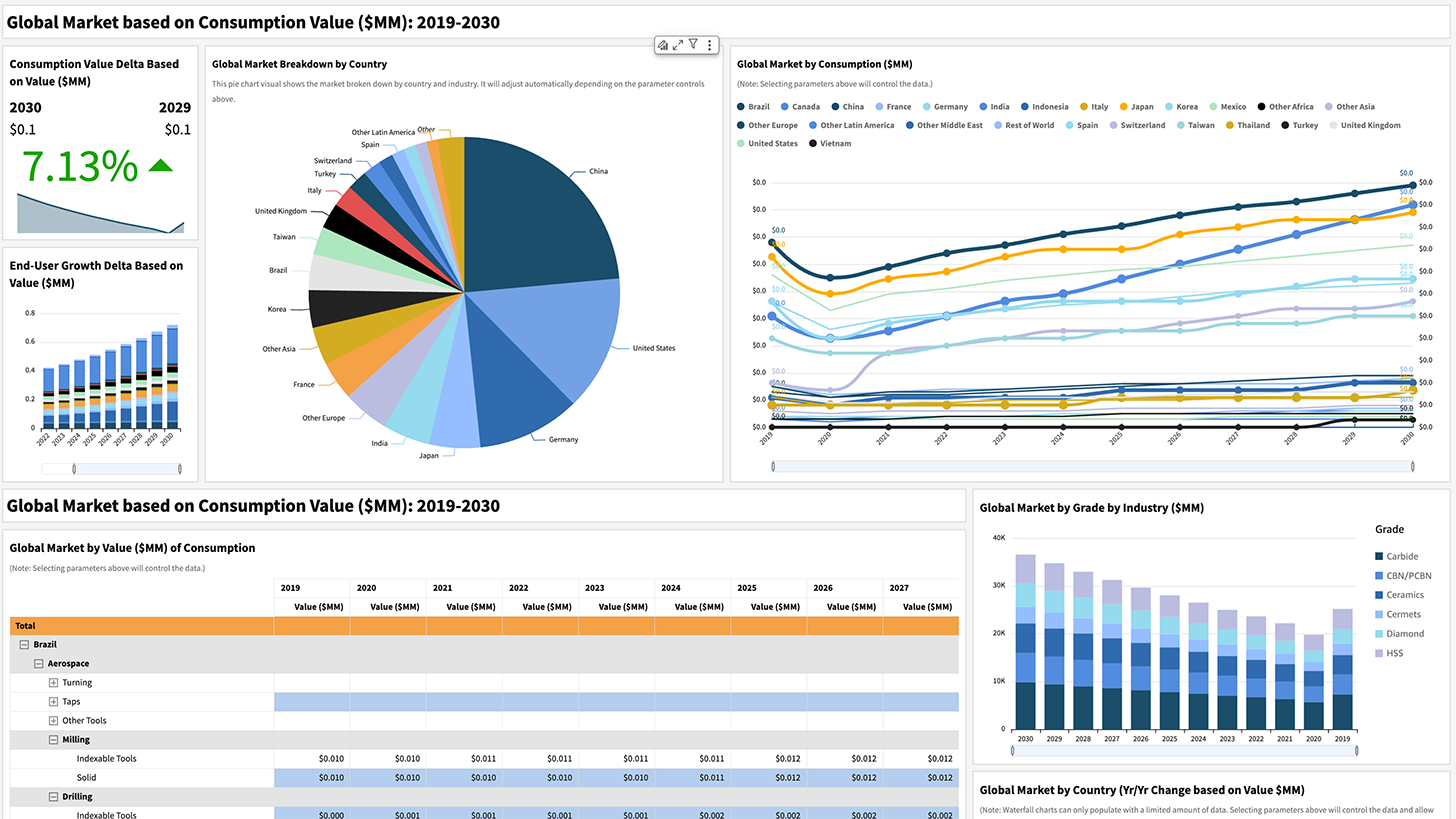
Ulysses™ is a dashboard-based, on-demand market intelligence platform that delivers dynamic, multi-dimensional data access rather than static reports. Built on over two decades of our trusted knowledge base and expertise, the Biofuels database is populated by millions of data points per product group, spanning historical data from 2004 through forecasts to 2040.
The platform operates as a 24/7/365 accessible research tool that allows users to conduct custom searches across multiple variables—including country, product categories, end-user industries, and specific applications—enabling precise market analysis tailored to individual business needs. Users can seamlessly generate custom reports, export data as CSV files or excel workbooks, prepare pivot tables and visual presentations, and access both quantitative metrics and qualitative insights covering competitive analysis, market drivers, and distribution channels. The platform's scalability ensures it can adapt to different organizational requirements and budgets by offering different licenses and subscription levels while maintaining depth and reliability in quarterly updates.
Revision Date: December 2025
Datapoints: 90 Million+
Parametric Breakdowns: Year, Country, End-User Industry, Fuel Type, Feedstock Source, Generation Technology, Applications, Distribution Channels, Competitive Environment and more...
Companies Researched: 150+
Years Covered: 2004-2024 Actual, 2025 Estimate, 2026-2040 Forecasts
Delivery Method: Online Dashboards with Downloadable CSV Options Depending on License/Package

Dedalus Consulting's Data on Demand service provides fast, targeted market intelligence for organizations that need reliable data quickly and cost-effectively. This streamlined offering delivers pre-defined datasets focused on specific markets, geographies, or product categories, enabling rapid access to the essential intelligence required for time-sensitive business decisions without the investment required for comprehensive reports or full database subscriptions. Whether you're preparing a quick competitive brief, validating a market opportunity, supporting an internal presentation, or conducting preliminary due diligence, Data on Demand delivers the specific market metrics and insights you need. This flexible solution bridges the gap between broad industry overviews and exhaustive research projects, providing the strategic sweet spot for professionals who require trustworthy, independently verified market data on accelerated timelines.
Revision Date: December 2025
Datasets: 200+
Formats: XLS, CSV
Breakdowns: Year, Country, End-User Industry, Fuel Type, Feedstock Source, Generation Technology, Applications and more...
Years Covered: 2024 Actual, 2025 Estimate, 2026-2030 Forecasts

Dedalus Consulting's Market Essentials reports provide the fundamental intelligence that serves as the foundation for sound strategic planning at an accessible entry-level price point. Designed for organizations seeking core market understanding without the investment required for comprehensive multi-volume analysis, Market Essentials delivers the critical data and insights necessary to grasp industry fundamentals, competitive dynamics, and key market drivers. Each report distills decades of specialized expertise into focused analysis covering essential market sizing, major player identification, primary end-user segments, and significant trend trajectories—the cornerstones upon which effective business strategies are built. This streamlined approach makes professional-grade market intelligence accessible to smaller organizations, individual business units, or teams conducting preliminary market assessment before committing to deeper research investments.
Revision Date: December 2025
Pages: 25
Tables/Charts/Graphs: 50+
Years Covered: 2024 Actual, 2025 Estimate, 2026-2040 Forecasts
Parametric Breakdowns: Year, Country, End-User Industry, Fuel Type, Feedstock Source, Generation Technology, Applications and more...
Companies Researched: 150+
Delivery Method: PDF, Printable – Five (5) User License

Dedalus Consulting's Single-Client Consulting Services provide customized market intelligence tailored to the strategic challenges that standard research cannot address. With over 25 years of proven expertise serving manufacturers, end-users, financial institutions, and academic organizations in the biofuels sector, we deliver the targeted competitive analysis essential for market expansion strategies, new product launches, regional market entry decisions, and merger and acquisition due diligence. Our consulting methodology distinguishes itself through primary research interviews with industry participants across the value chain—from manufacturers and distributors to end-users—combined with proprietary data accumulated through decades of continuous market tracking in renewable liquid fuels. This approach leverages deep industry relationships built over a quarter-century to surface operational insights and competitive intelligence that secondary research sources simply cannot provide. When standard market reports fall short of addressing your specific strategic requirements, Dedalus Consulting's Single-Client services deliver the precision intelligence that drives confident, informed business decisions in rapidly evolving technology markets.
Key Capabilities:
- Market Entry & Expansion Analysis — Comprehensive assessment of regional opportunities, competitive landscapes, distribution channel requirements, and go-to-market strategies tailored to specific geographic or segment expansion objectives
- Merger & Acquisition Due Diligence — In-depth target company evaluation including market position validation, competitive threat assessment, customer relationship analysis, and strategic fit evaluation backed by primary research and proprietary market data
- New Product Launch Intelligence — Market readiness assessment, competitive response forecasting, pricing strategy development, and distribution channel optimization to maximize launch success and accelerate market penetration
- Competitive Benchmarking & Strategic Positioning — Detailed analysis of competitor capabilities, market share dynamics, differentiation strategies, and vulnerabilities to identify sustainable competitive advantages and strategic opportunities
- Supply Chain & Sourcing Strategy — Comprehensive supplier landscape mapping, alternative sourcing identification, supply chain risk assessment, and strategic procurement intelligence leveraging deep industry relationships and market knowledge

Dedalus Consulting's Competitive Profiles deliver comprehensive intelligence on key industry players in the biofuels market, providing the detailed competitive analysis essential for strategic positioning, M&A due diligence, and market entry decisions. Each profile offers an in-depth examination of a company's competitive standing within the renewable liquid fuels industry, combining quantitative performance metrics with qualitative strategic assessment to reveal competitive strengths, vulnerabilities, and market trajectories. Our analyses include detailed breakdowns of sales performance and market share by product type, geographic region, and end-user segment, alongside examination of distribution channel strategies, manufacturing capabilities, technology portfolios, and go-to-market approaches. Key performance indicators cover revenue trends, profitability metrics, capacity utilization, R&D investment patterns, and product mix evolution, while competitive positioning analysis evaluates differentiation strategies, pricing power, customer relationships, and supply chain advantages.
Key Intelligence Components:
- Sales Performance & Market Share Analysis — Detailed revenue breakdowns by product line, geographic region, end-user segment, and distribution channel, with historical trends and market share positioning across specific industrial segments
- Strategic Positioning Assessment — Comprehensive evaluation of competitive differentiation strategies, pricing power, technology portfolios, manufacturing capabilities, and go-to-market approaches that define each company's competitive advantage
- Distribution & Channel Strategy Analysis — In-depth examination of sales channel mix, distributor relationships, direct sales capabilities, customer service infrastructure, and route-to-market effectiveness across geographic markets
- Financial & Operational Metrics — Key performance indicators including revenue trends, profitability analysis, capacity utilization, R&D investment patterns, product mix evolution, and operational efficiency benchmarks validated through primary research
- Competitive Strengths & Vulnerabilities — Strategic intelligence on management capabilities, innovation pipelines, customer relationships, supply chain advantages, technology gaps, and market positioning weaknesses that impact long-term competitive sustainability
